

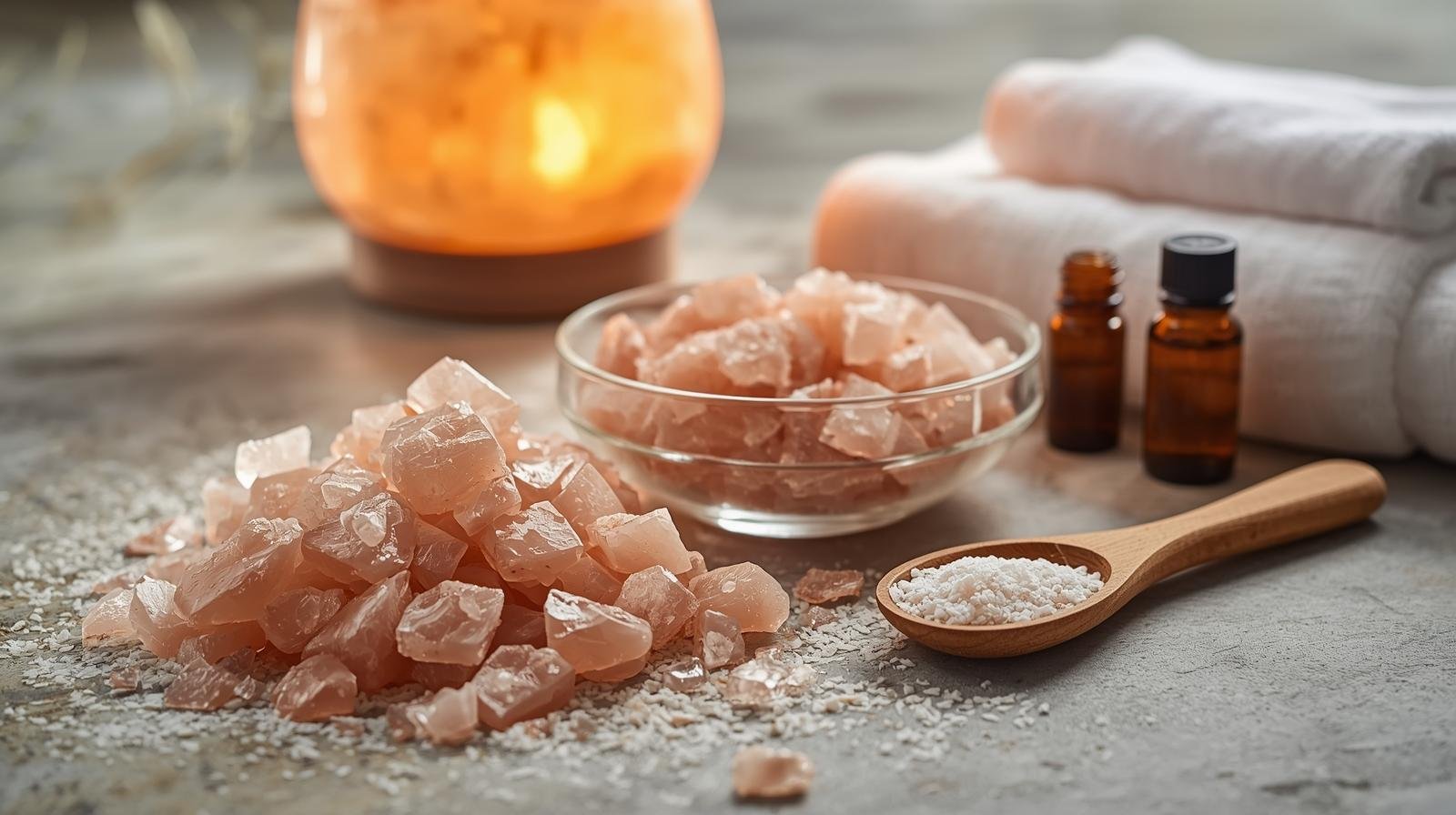
Walk into any kitchen in Berlin or spa in Munich, and you’ll likely find it: pink Himalayan salt.
It’s on dining tables. In bath rituals. Glowing from salt lamps in modern living rooms across Germany.
But here’s what most people don’t realize: not all pink salt is the same.
At SaltySalt, we bring German households and businesses authentic, mineral-rich salt sourced directly from the Himalayan region. Whether you’re looking for edible salt for gourmet cooking or natural crystals for spa treatments, this guide explains the real benefits, practical uses, and how to choose products you can actually trust.
Why Pink Himalayan Salt Is a Must-Have in 2026
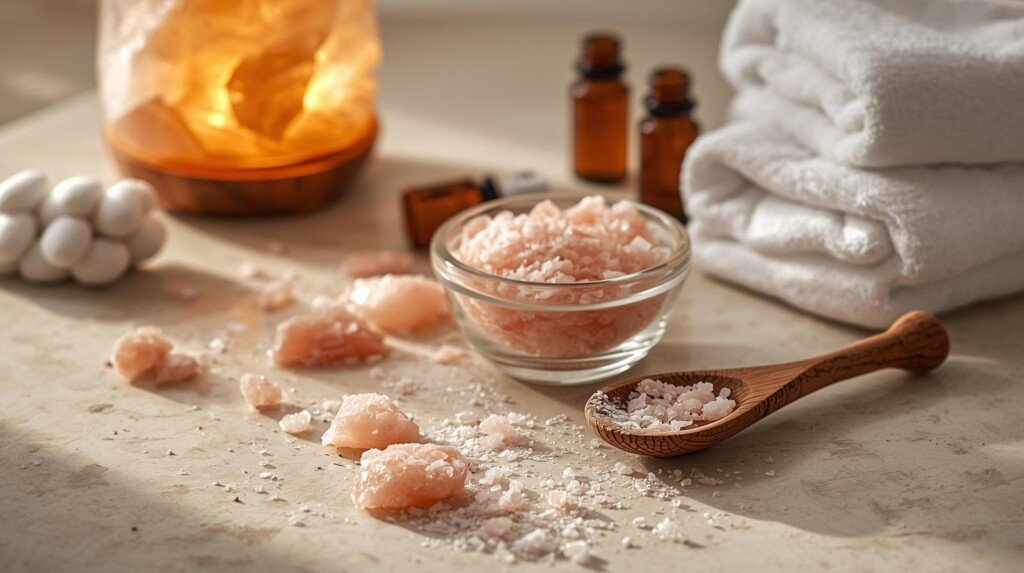
Pink Himalayan salt is unrefined salt harvested from Pakistan’s Khewra Salt Mine—one of the world’s oldest and largest. Its distinctive pink hue comes from trace minerals including iron, potassium, magnesium, and calcium.
In Germany’s evolving food and wellness market, consumers are increasingly choosing:
- Minimally processed ingredients
- Additive-free gourmet salt options
- Sustainable and ethically sourced products
- Multi-purpose wellness essentials
Pink Himalayan salt aligns perfectly with these preferences. Unlike highly refined table salt, it is typically hand-mined and minimally processed, preserving its natural structure and mineral content.
For health-conscious households across Germany, this mineral-rich salt is more than a seasoning—it’s part of a broader lifestyle shift toward natural living.
Health Benefits of Pink Himalayan Salt
Many people ask: Is pink Himalayan salt actually healthier than regular salt?
Here’s the straight answer.
Pink Himalayan salt contains trace minerals that contribute to its color and subtle flavor complexity. While it is still sodium chloride and should be consumed in moderation, it offers several advantages over heavily refined salt.
Potential Benefits:
- Contains trace minerals such as magnesium and potassium
- Less processed than standard table salt
- No added anti-caking agents in high-quality varieties
- More complex flavor, allowing reduced overall salt usage
In culinary practice, many German chefs prefer gourmet salt crystals because their coarse texture enhances flavor perception—meaning you may use less while achieving better taste balance.
For wellness enthusiasts, pink Himalayan salt is also popular in:
- Detox-style bath soaks
- Salt inhalation therapies
- Relaxation rituals
When used regularly as part of a balanced diet and wellness routine, it supports the natural lifestyle approach that many Germans value in 2026.
Different Uses of Pink Himalayan Salt
One of the biggest reasons for its popularity is versatility. From fine edible salt to large natural crystals, the applications extend far beyond the kitchen.
Cooking, Spa, and Home Décor Applications
1. Culinary Uses (Edible Pink Salt for Cooking)
Pink Himalayan salt is widely used for:
- Everyday seasoning
- Finishing salt for salads and meats
- Brining and curing
- Baking
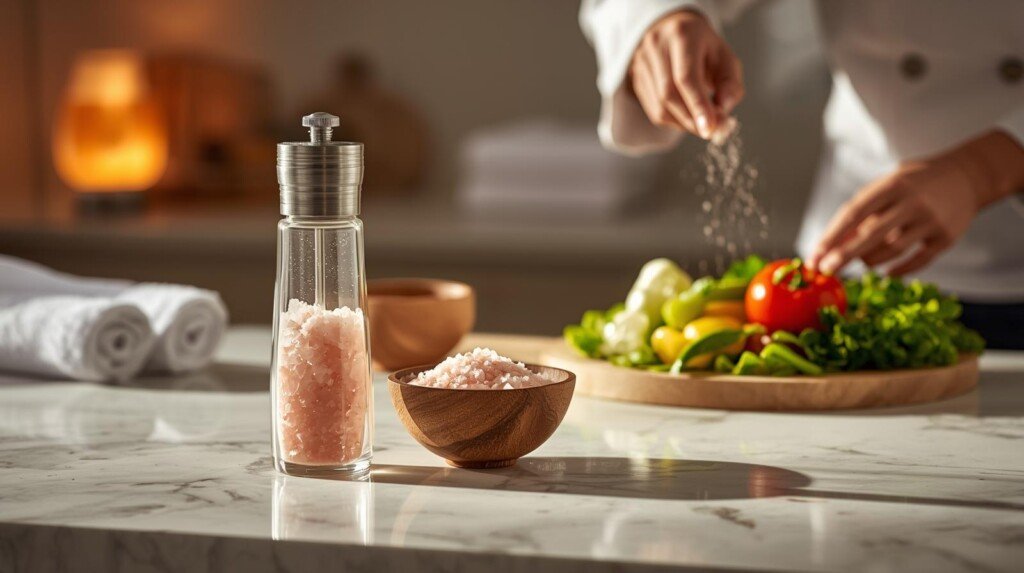
- Salt grinders and mills
Professional chefs appreciate its subtle mineral taste and appealing texture. In Germany’s gourmet food culture, it is commonly used for:
- Steak finishing
- Artisan bread
- Fermentation recipes
- Plant-based dishes
Fine grain salt works well for cooking and baking, while coarse crystals are ideal as a finishing touch.
2. Spa & Wellness Applications
Natural salt crystals are often incorporated into:
- Bath salts for muscle relaxation
- Exfoliating scrubs
- Salt therapy environments
- DIY wellness rituals
When dissolved in warm bathwater, mineral-rich salt creates a relaxing experience that supports stress relief—increasingly prioritized in Germany’s fast-paced urban centers.
3. Home Décor & Atmosphere
Large salt blocks and lamps have become design elements in modern interiors.
Common decorative uses include:
- Himalayan salt lamps
- Salt candle holders
- Salt tiles for spa rooms
- Decorative crystal pieces
These products are valued for their warm glow and natural aesthetic appeal, particularly in Scandinavian-inspired and minimalist German interiors.
How to Choose High-Quality Pink Himalayan Salt
With increasing popularity comes increasing risk of imitation or low-grade products. Selecting authentic pink salt requires careful evaluation.
Purity, Certification, and Authenticity Tips
Here’s how to ensure you’re buying genuine pink Himalayan salt in Germany:
1. Check the Origin
Authentic pink Himalayan salt comes from the Himalayan region, primarily Pakistan. Product labeling should clearly indicate origin.
2. Look for Minimal Processing
High-quality edible salt should be:
- Free from artificial additives
- Non-bleached
- Free-flowing without chemical anti-caking agents
3. Review Certifications
For the German market, look for:
- EU food safety compliance
- Laboratory testing for purity
- Clear ingredient transparency
4. Assess Color and Texture
Authentic natural crystals range from light pink to deep reddish hues. Extremely bright or uniformly colored salt may indicate artificial enhancement.
5. Match Grain Size to Use
- Fine grain – cooking and baking
- Medium grain – grinders
- Coarse crystals – finishing and décor
Choosing the right product ensures both safety and performance in culinary and wellness applications.
SaltySalt’s Premium Pink Himalayan Salt Collection
At SaltySalt, we don’t just import salt—we verify every batch.
Based in Germany and serving customers nationwide, we source directly from trusted Himalayan suppliers and test each shipment for purity, mineral content, and compliance with EU food safety standards.
Our collection includes:
- Fine edible salt for daily cooking
- Gourmet salt crystals for mills and finishing
- Coarse crystals for spa and decorative use
- Natural salt blocks and lamps for home décor
Why German customers trust SaltySalt:
- Third-party tested – Each batch is analyzed for purity and contaminants
- Traceable sourcing – We know exactly where our salt comes from
- EU-compliant – All products meet German and European food safety regulations
- Flexible packaging – From 500g home packs to bulk options for businesses
- Direct distribution – Faster delivery and better freshness
Whether you’re a home cook in Munich, a wellness practitioner in Hamburg, or a retailer sourcing for German customers, we provide products that meet your standards because they meet ours first.
Explore our pink himalayan salt collection to discover culinary, wellness, and decorative options.
For wholesale inquiries or private-label solutions, contact us for bulk or custom orders tailored to your needs in Germany.
FAQs
Is pink Himalayan salt healthier than table salt?
Pink Himalayan salt contains trace minerals and is less processed than standard table salt. However, both contain sodium and should be consumed in moderation.
Can I use pink Himalayan salt every day?
Yes, it can replace regular edible salt in cooking. Many people prefer its taste and natural processing method.
What is the difference between fine and coarse pink salt?
Fine salt is ideal for cooking and baking. Coarse salt is better suited for grinders, finishing dishes, spa applications, and decorative use.
Are Himalayan salt lamps safe?
Yes, when used according to manufacturer instructions. All SaltySalt lamps comply with European electrical safety standards.
Conclusion
Pink himalayan salt has earned its place in German kitchens, spas, and homes—not as a trend, but as a genuinely versatile natural product. From gourmet cooking and wellness rituals to elegant home décor, its applications extend far beyond seasoning.
Choosing authentic, mineral-rich salt ensures both quality and safety, whether you’re seasoning a meal in Munich, designing a spa space in Berlin, or sourcing bulk edible salt for retail distribution.
At SaltySalt, we combine direct sourcing, European compliance standards, and rigorous testing to deliver premium pink Himalayan salt products you can trust.
Explore our pink himalayan salt collection today or contact us for bulk or custom orders tailored to your needs in Germany.